Disclaimer: This page may contain affiliate links. Please review our full Terms and Conditions for more information and our Privacy Policy. Note that any pricing, operating hours, or other such information provided below may have changed since initial publication.
Compiled by the Road Trip Alberta team
Last updated on January 6, 2025
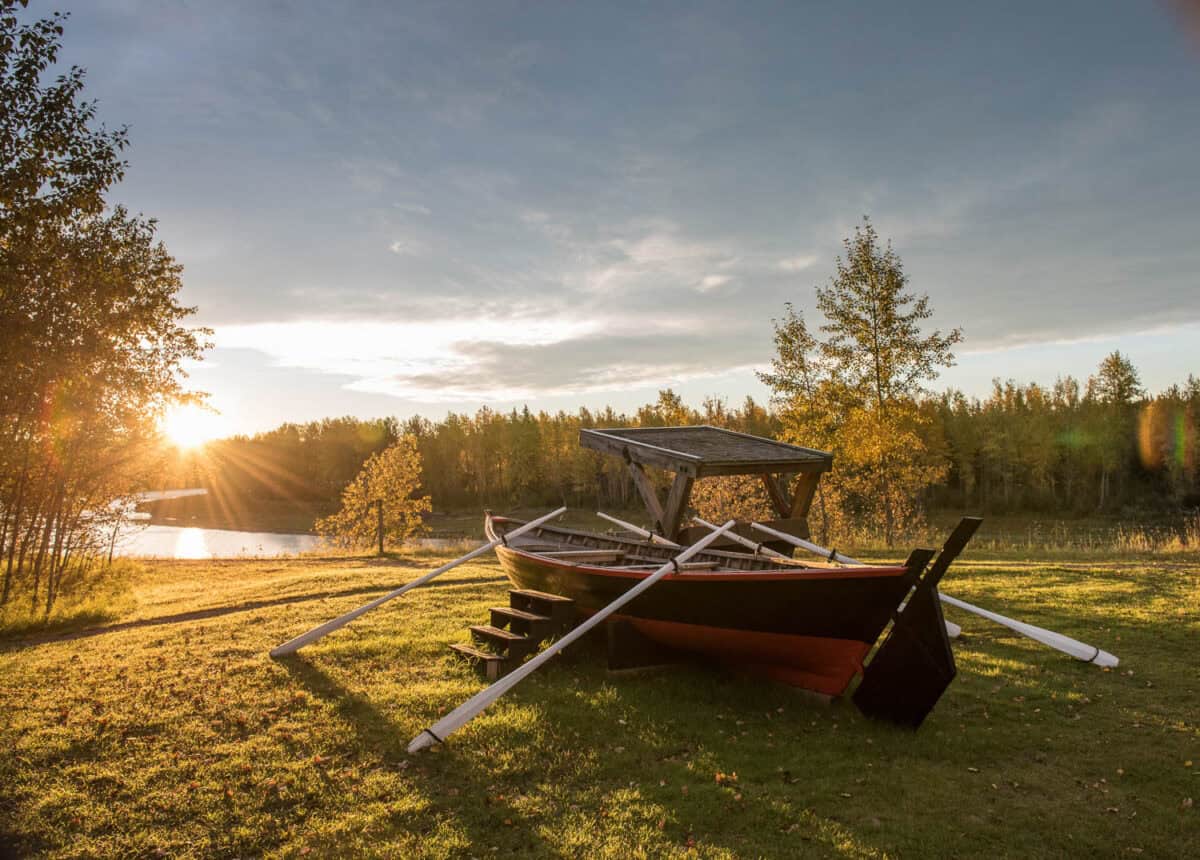
About an hour west of Red Deer lies one of the most historic trading posts in western Canada. The Rocky Mountain House National Historic Site is a Parks Canada historical site and a fantastic place to familiarize yourself with this important western spot where the fur trade once happened. The site sits along the banks of the North Saskatchewan River, and there are plenty of things to see and do during your visit. It’s a lovely spot to spend a few days camping and exploring the area. Here is everything you need to know about visiting the Rocky Mountain House National Historic Site as you immerse yourself in one of the most historic spots in Alberta.
Everything You Need to Know
History
A great example of the historic fur trade in the west, Rocky Mountain House was an important trading post along the North Saskatchewan River throughout the 19th century. Rocky Mountain House National Historic Site dates back to 1799 when both the Hudson’s Bay Company and the North West Company established fur trading posts; the two companies merged in 1821. British and Canadian fur traders worked with the local Indigenous peoples until 1876 when the Rocky Mountain House post was closed. The settlement, however, remained and is often cited as an important part of the westward Canadian expansion.
The Rocky Mountain House settlement was significant not only because of the fur trade but also because it served as a launching point for many explorers, including David Thompson (who was in search of a passage west to the Pacific Ocean). By 1912, Rocky Mountain House officially became a town, and numerous people headed here in search of opportunities in the nearby mountains and farmland.
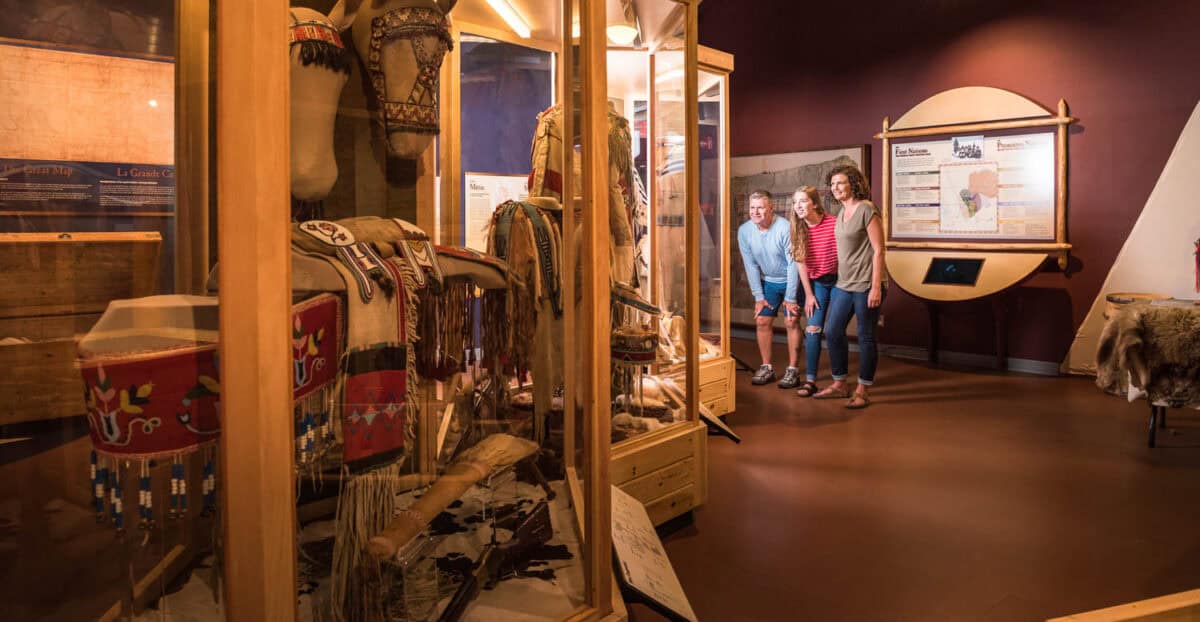
Today, you can visit the Historic Site to learn about the Indigenous peoples, fur traders, and explorers by visiting the archaeological remains of the trading post sites and partaking in interactive experiences.
Getting There
The official address of Rocky Mountain House National Historic Site is Site 127 Comp 6 RR4, Rocky Mountain House, Alberta, T4T 2A4. It is found six kilometres west of the town of Rocky Mountain House on Highway 11A. It is approximately 100 kilometres (1 hour drive) west of Red Deer, 210 kilometres southwest of Edmonton, and 215 kilometres northwest of Calgary.
Hours Of Operation
Rocky Mountain House National Historic Site’s hours of operation are seasonal, so it’s important to always check that it’s open before visiting!
The visitor centre at Rocky Mountain House National Historic Site is open every day from 10 a.m. until 5 p.m. from May 10th until September 7th, 2024. From September 8th until September 30th, 2024, the visitor centre is open Thursdays through Sundays from 10 a.m. to 5 p.m.
From October 1st, 2024, until May 2025, the visitor centre is closed.
Fees
There are two types of fees for Rocky Mountain House: daily and annual.
Daily fees:
- Adult (18-64): $9.00
- Senior (65+): $7.50
- Youth: (0-17): Free
- Family/Group (up to seven people arriving in a single vehicle): $7.65
Annual:
- Adult (18-64): $22.00
- Senior (65+): $18.50
- Youth: (0-17): Free
A Discovery Pass also covers Rocky Mountain House National Historic Site, which is a great deal if you plan on travelling to various sites around Canada.
Things to Do
We recommend spending at least half a day for a brief visit to the Rocky Mountain House National Historic Site. A full day will ensure you properly experience the trails, archaeological sites, programs, and the outdoors.
Bookable Experiences
Rocky Mountain House National Historic Site offers numerous bookable experiences, all of which require advanced reservations. For more information and/or to make a booking, call (403) 845-2412 or email rockyinfo@pc.gc.ca.
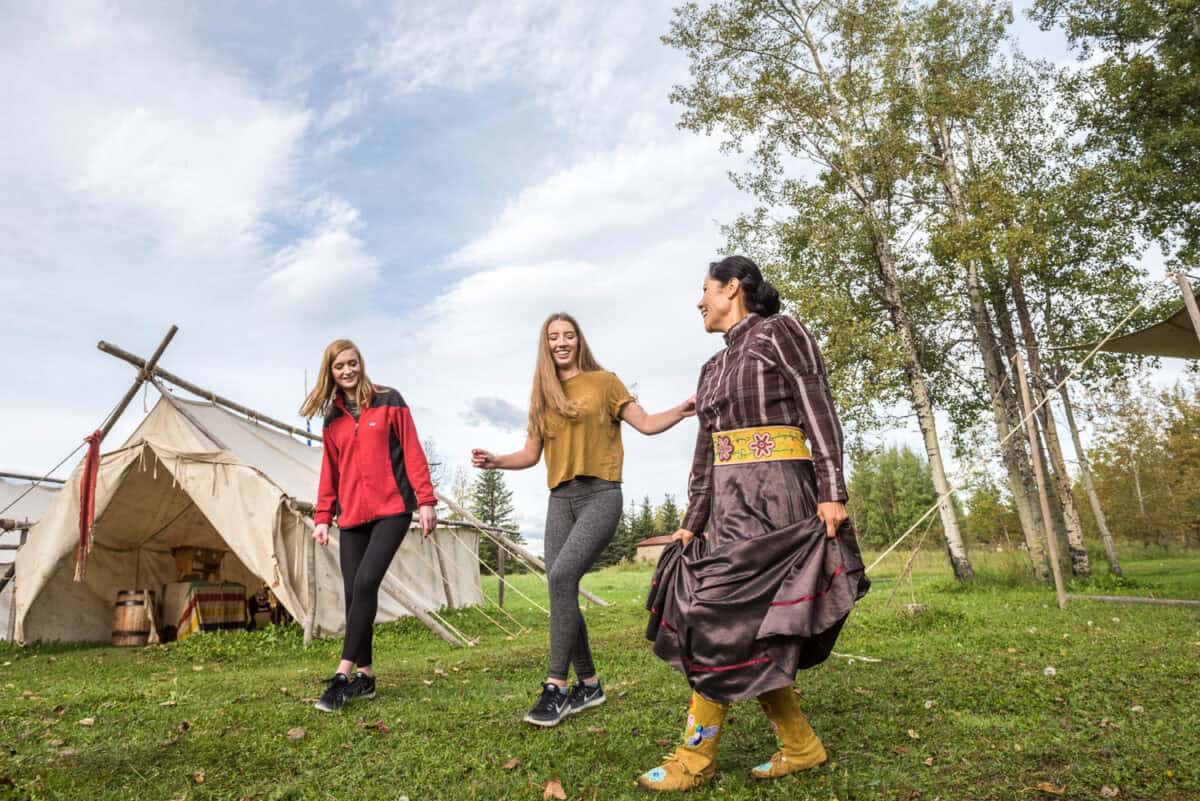
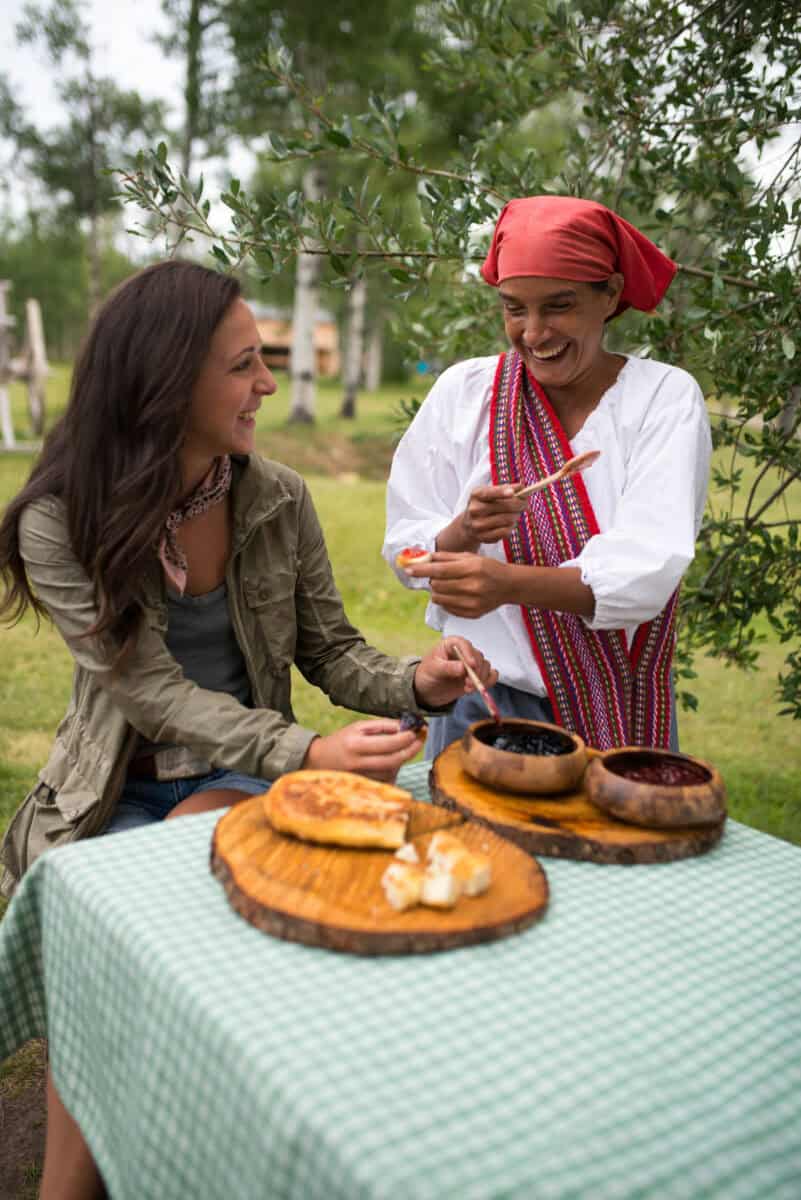
- A Métis Welcome: A Métis Elder will share their language, traditions, culture, and connections to the fur trade. Hands-on experiences include finger weaving, tasting fire-cooked Bannock, and jigging with Métis dancers.
- Dream Catcher Workshop: Make your own beautiful dreamcatcher and learn about this Indigenous tradition.
- Satchel Making Workshop: Create your own satchel from a blanket.
- Drum and Song: Gather around the campfire with a local Indigenous drummer, dancer, or storyteller for conversation and learning. Two weeks advance booking is required.
- Traditional Games: Play traditional Indigenous games that help teach essential skills like observation, intuition, and hand-eye coordination. This is a great workshop for youth groups or as a team-building exercise. Two weeks advance booking is required.
For all bookable experience fees, click here.
Interpretive Experiences
Interpretive experiences at Rocky Mountain House National Historic Site really enhance your time and allow you to learn even more about the site’s history and impact. Experiences include:
- Listening Stations: As you wander around the archaeological site to see the remains of the fur trade posts and Métis camp, make sure to stop at the many listening stations. These will provide anecdotes, stories, and information about the site.
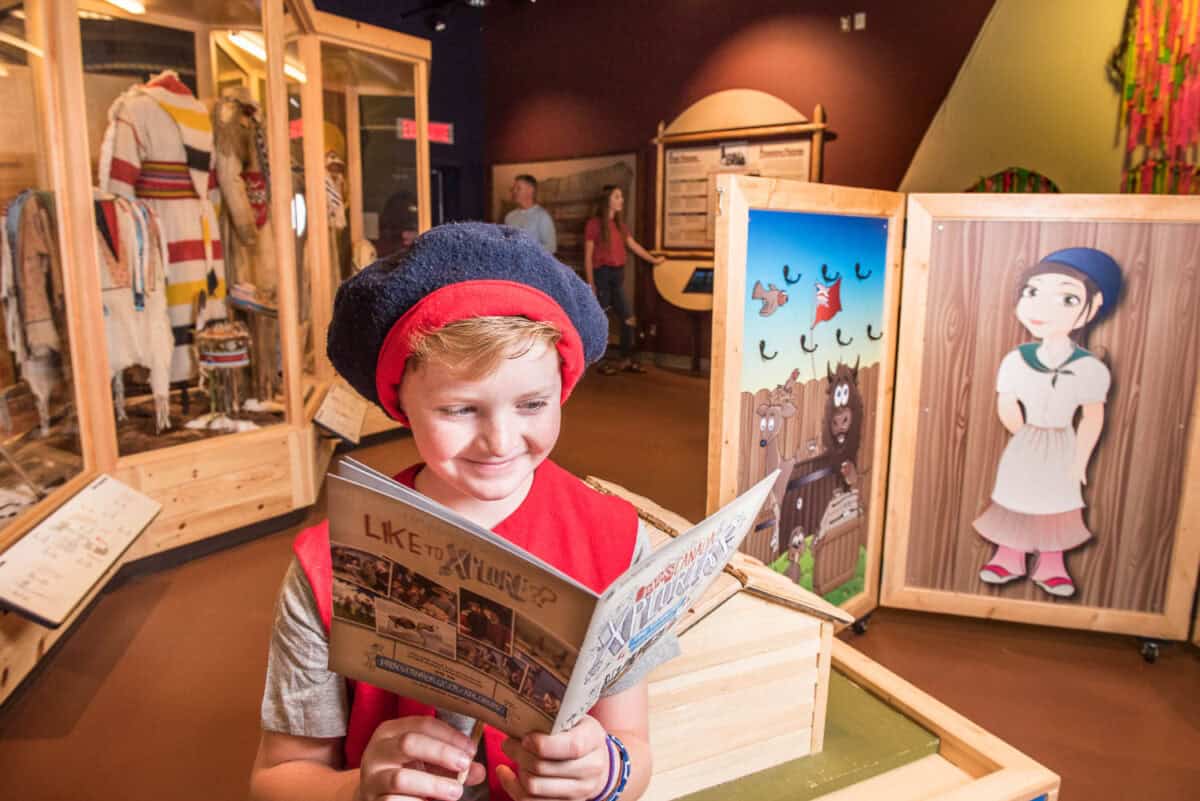
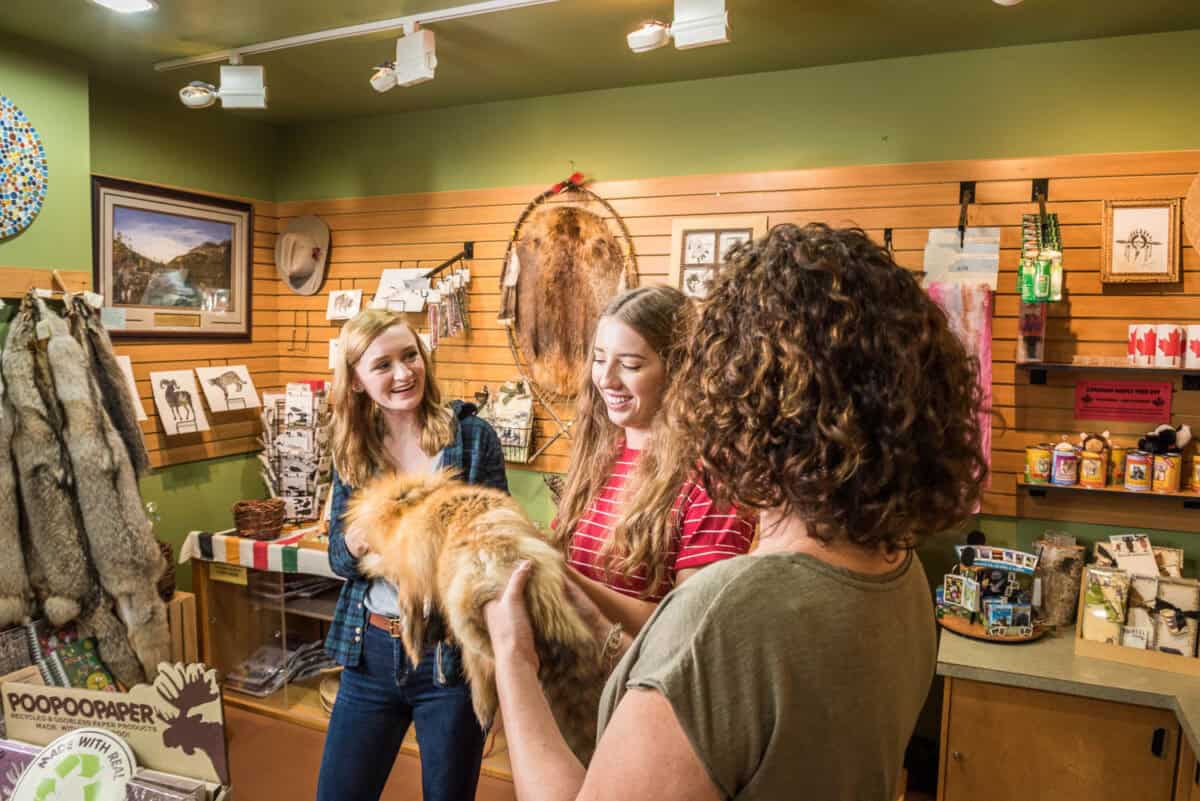
- Visitor Centre: Explore interactive exhibits and archaeological artifacts that show what life was like for fur traders and Indigenous Peoples. At the Trading Post Gift Shop, you can shop for souvenirs, snacks, or artisan merchandise.
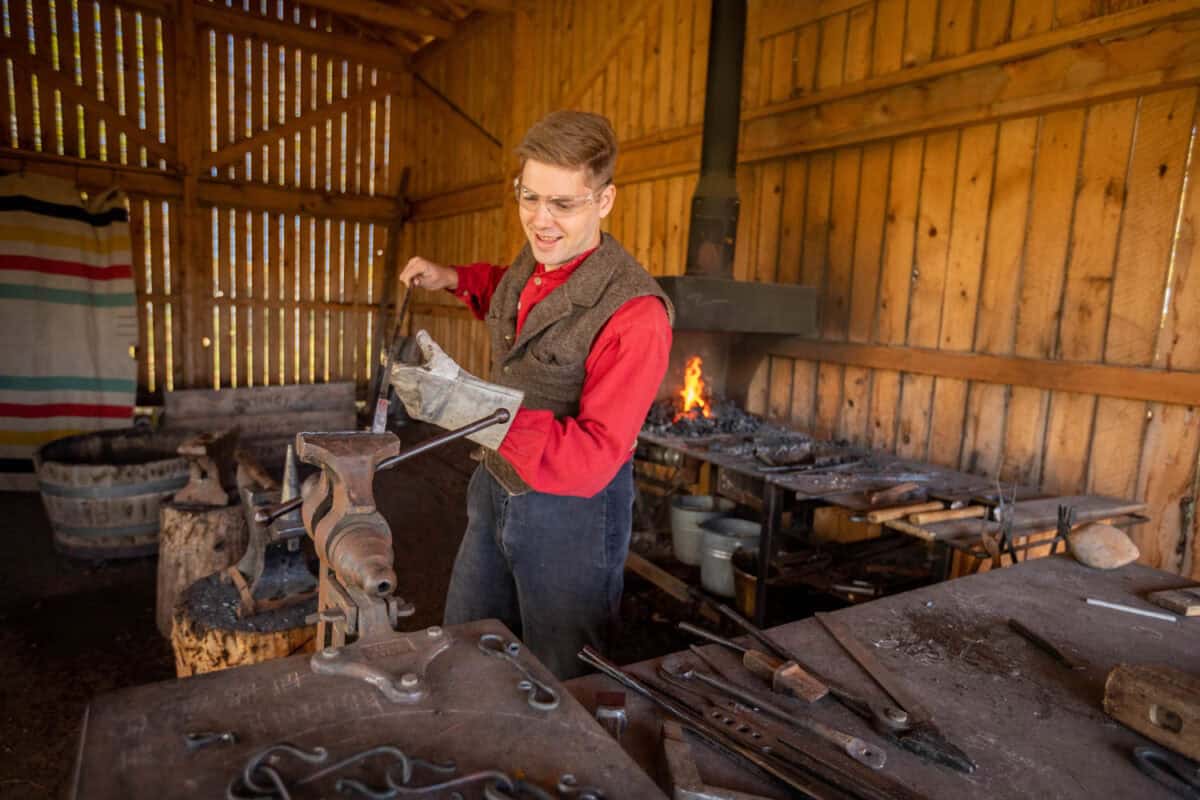
- Blacksmith Station: This is a replica of a store from the 1800s. Here, you can watch blacksmiths crank the blowers and shape iron into useful objects.
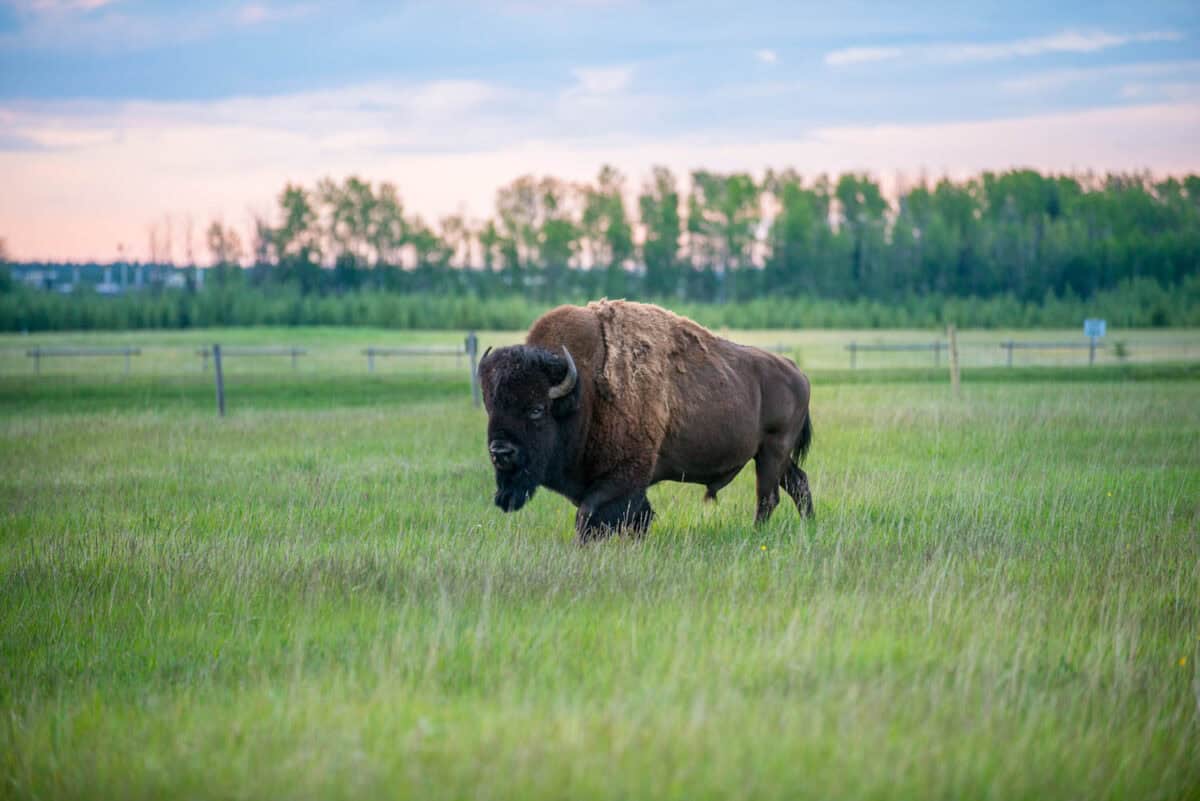
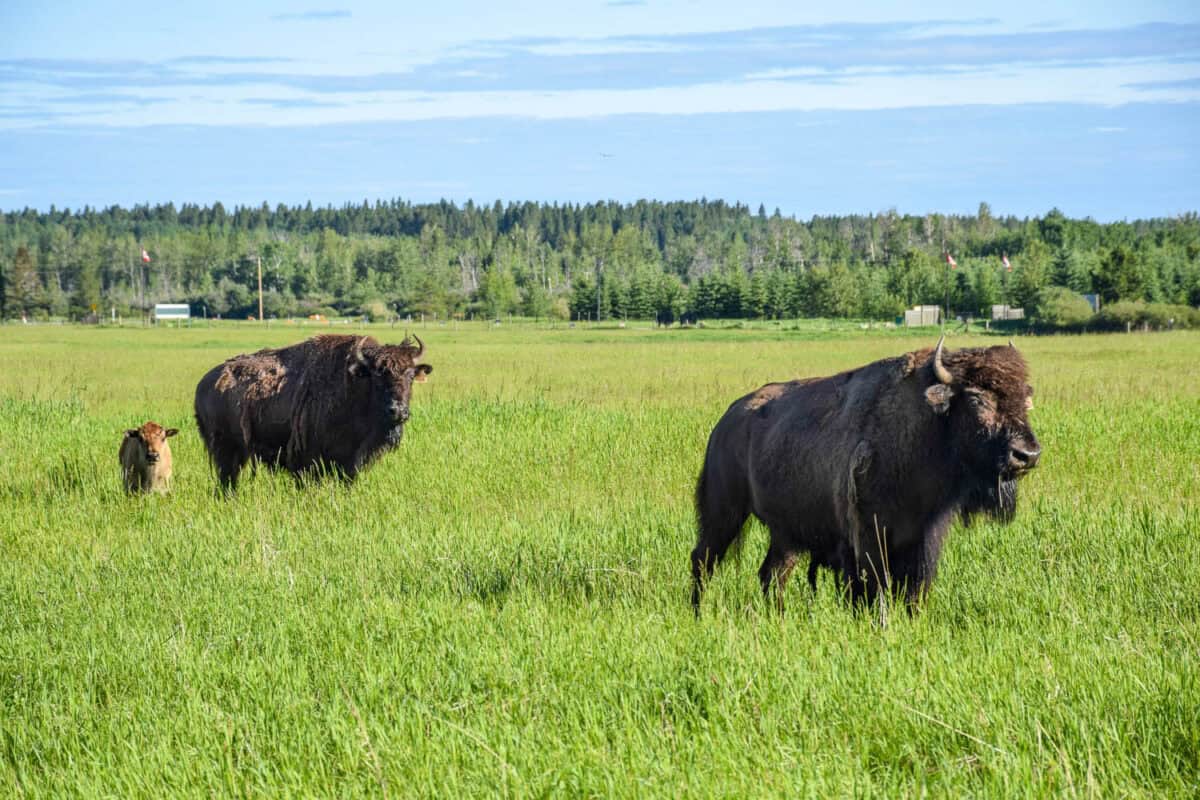
- Follow the Bison Herd: Listen to stories of Indigenous Peoples as they explain why following the movements of bison is integral to their way of life. A few bison live on-site in an enclosure, so make sure to stop by and say hello to them!
- Métis Camp: Learn all about Métis culture and traditions such as beading, fiddling, and jigging.
- Play Fort: With a 1⁄4 scale replica of a fur trade fort, reenact the fur trading days and unleash your inner voyageur. You can also enjoy the children’s play area and watch the puppet show about legendary explorer David Thompson.
- Kids Activity Books: Parks Canada Xplorers Guides are filled with exploration activities. For younger kids, pick up the Parka Activity Booklet.
Red Chairs
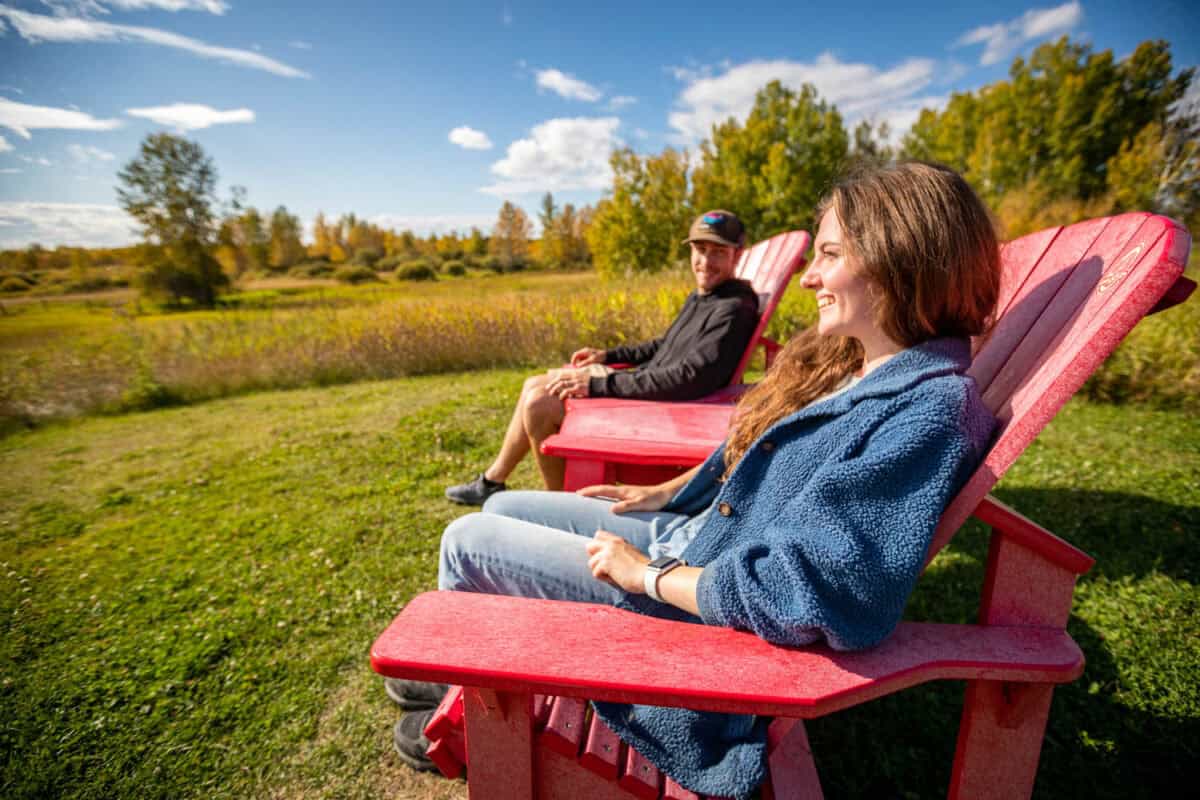
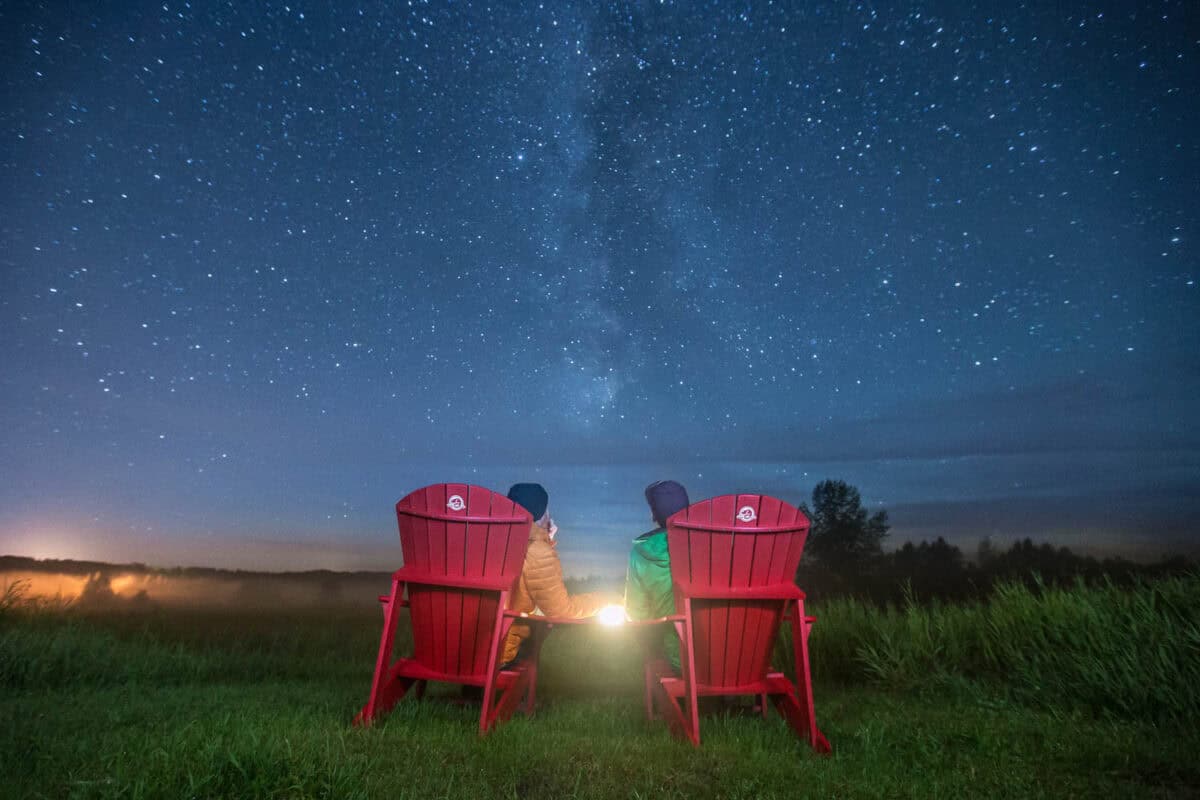
Parks Canada has placed over 200 red chairs in iconic spots around Canada, including the Rocky Mountain House National Historic Site, and they make for a perfect photo opportunity. For some avid travellers, finding them all has become a bucket list! You can find the chairs along the David Thompson trail, west of the ‘Follow the Bison Herd’ interpretive experience.
Walks and Hikes
There are numerous walks and hikes in and around the National Historic Site that will take you to see the archaeological remains of the trading post sites. These include:
David Thompson Trail
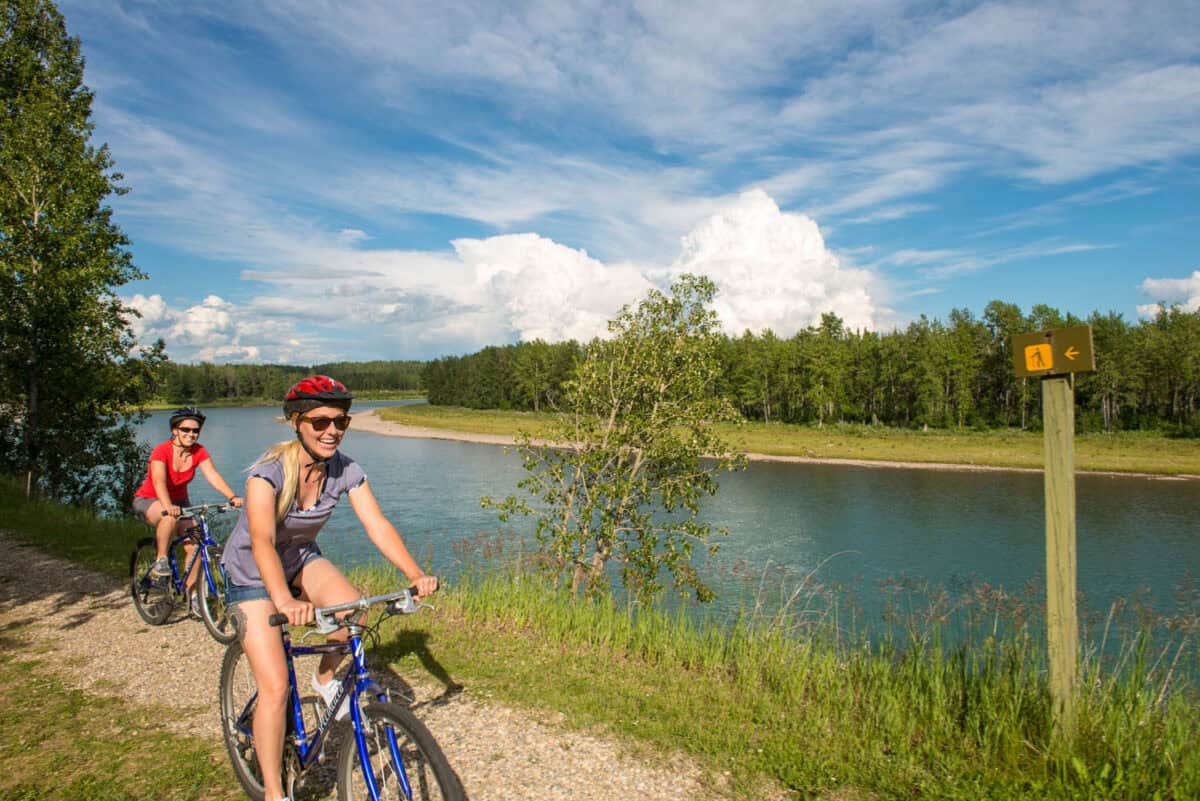
This 3.2-kilometre loop takes you along the banks of the North Saskatchewan River. Pass by the many listening stations to learn about the area’s history and ecology, including a visit to the oldest fort sites, which date back to 1799.
Chimney trail
The Chimney Trail is a 0.8-kilometre loop that is wheelchair-friendly. Wander past the remains of two Hudson’s Bay Company forts dating to 1835 and 1868 and see the still-standing original chimneys of the forts. Listening stations along the walk will provide stories and anecdotes about the site.
PETRO CANADA BICENTENNIAL TRAIL
This 5-kilometre one-way trail takes you between the National Historic Site and the town of Rocky Mountain House. Enjoy lush forests and views of Clearwater County along the way.
Other Things to Do
Beyond the interpretive experiences and the bookable experiences, there are a few ways to keep busy at Rocky Mountain House National Historic Site.
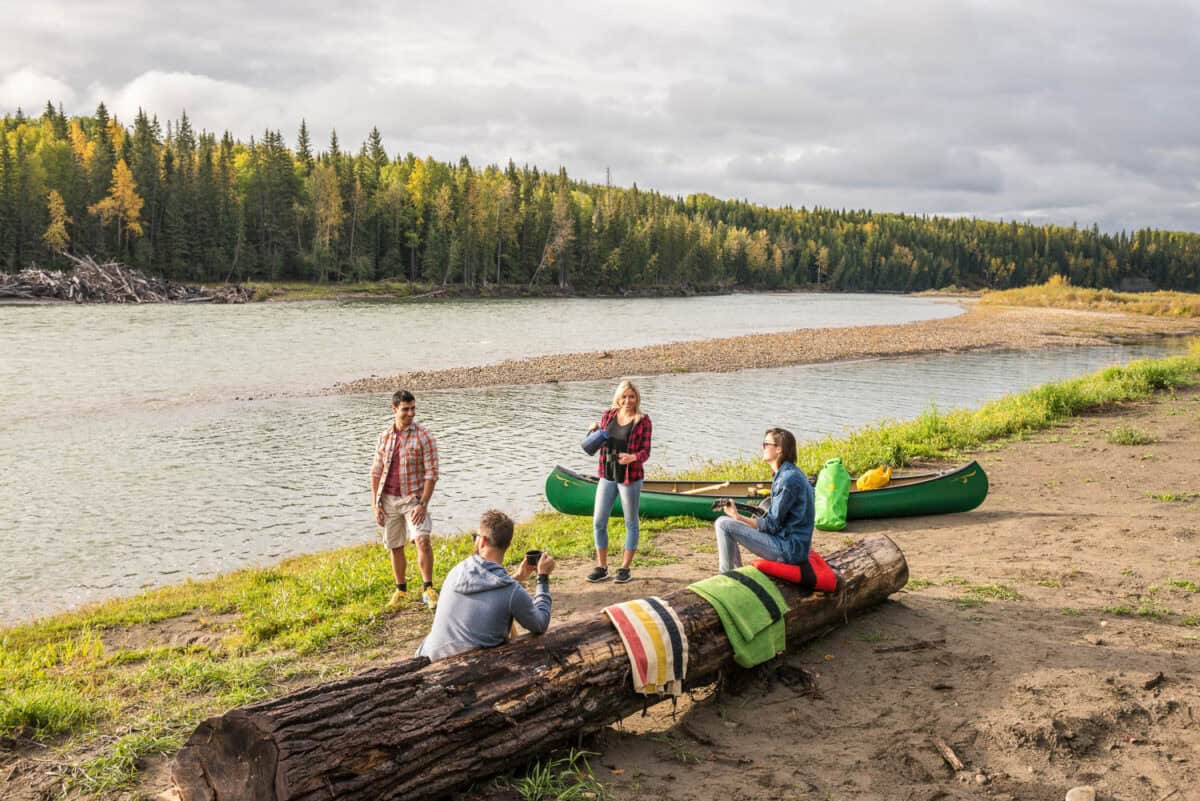
- The town lies in the North Saskatchewan River Valley, surrounded by 500 acres of field, marsh, and old spruce forest. Numerous species make their homes here, including hawks, eagles, cranes, coyotes, foxes, moose, grouses, beavers, and deer. Wildlife viewing at a safe distance is encouraged, but please do not approach or feed wildlife!
- The historic site has picnic areas, where you can relax in full view of the beautiful surroundings. You can bring your own picnic or buy refreshments from the Trading Post Gift Shop.
Where to Stay
Hotels
Thankfully, there are quite a few places to stay in the town of Rocky Mountain House.
Best Western Rocky Mountain House Inn and Suites
The Best Western Rocky Mountain House Inn and Suites is a highly-rated hotel with a pool, air conditioning, a fitness centre, and rooms featuring a fireplace and kitchenette. It’s also dog-friendly!
Canalta Rocky Mountain House
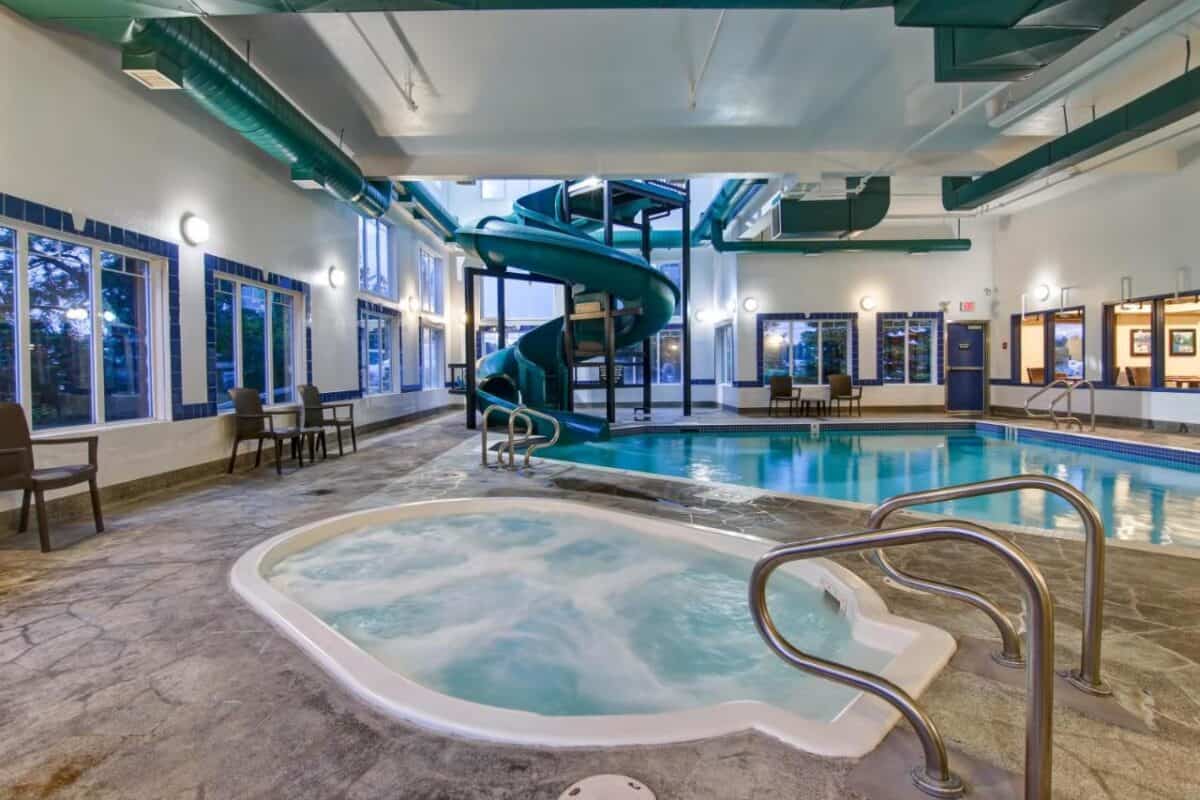
The Canalta Rocky Mountain House is known for its cleanliness and welcoming service. A stay includes a hot breakfast and a waterslide and pool onsite. The rooms feature kitchenettes and air conditioning, making it perfect for couples or families.
Camping
There are numerous ways you can camp at Rocky Mountain House National Historic Site.
Heritage camping
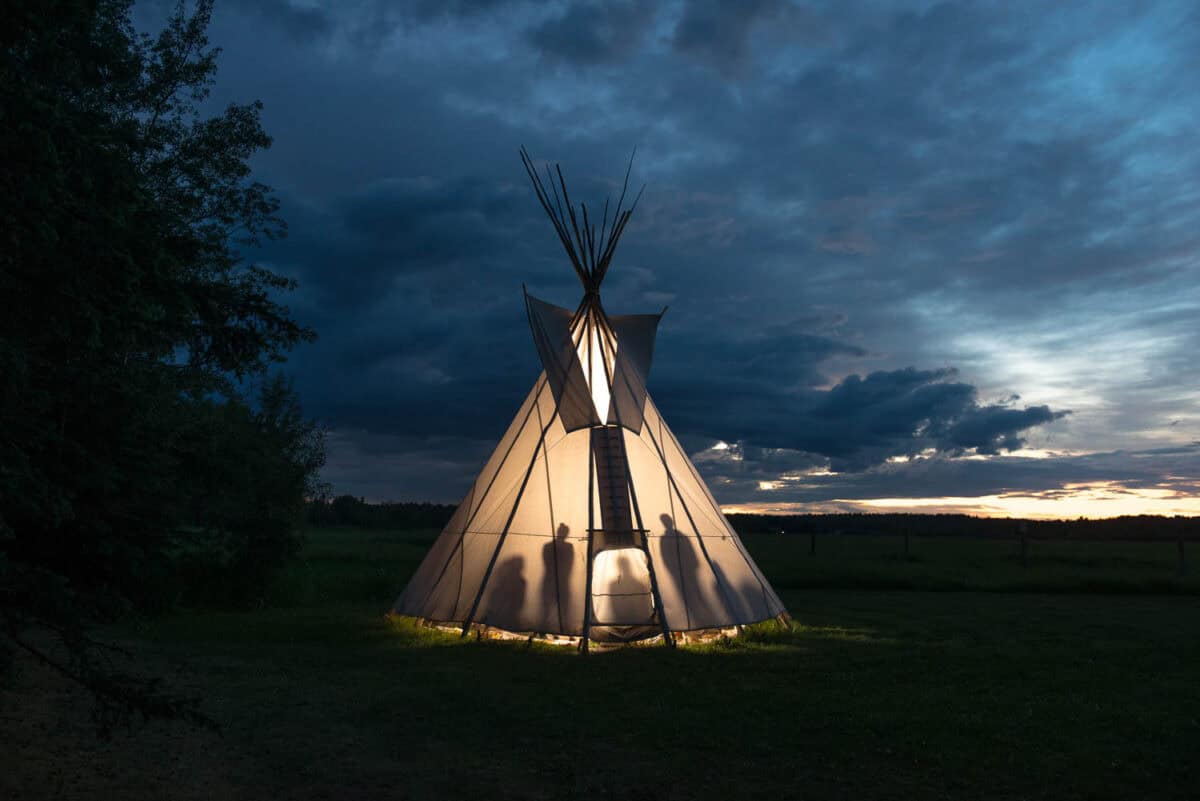
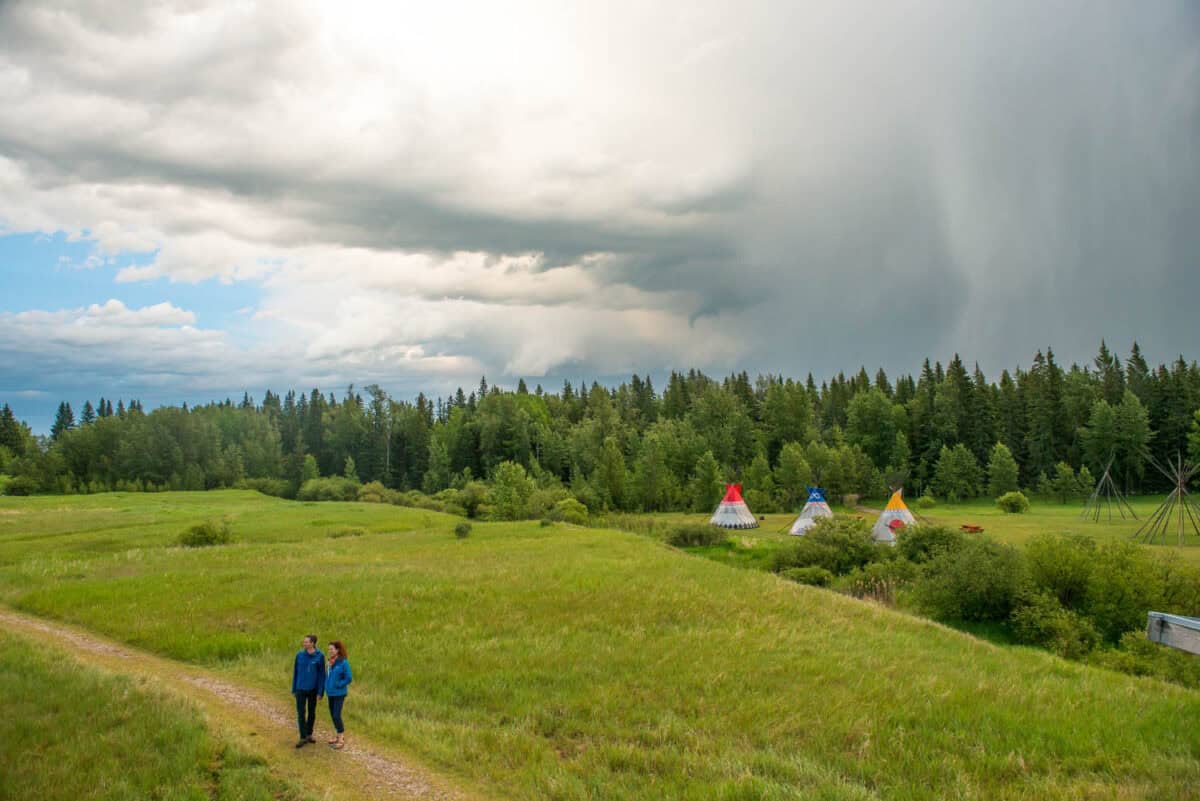
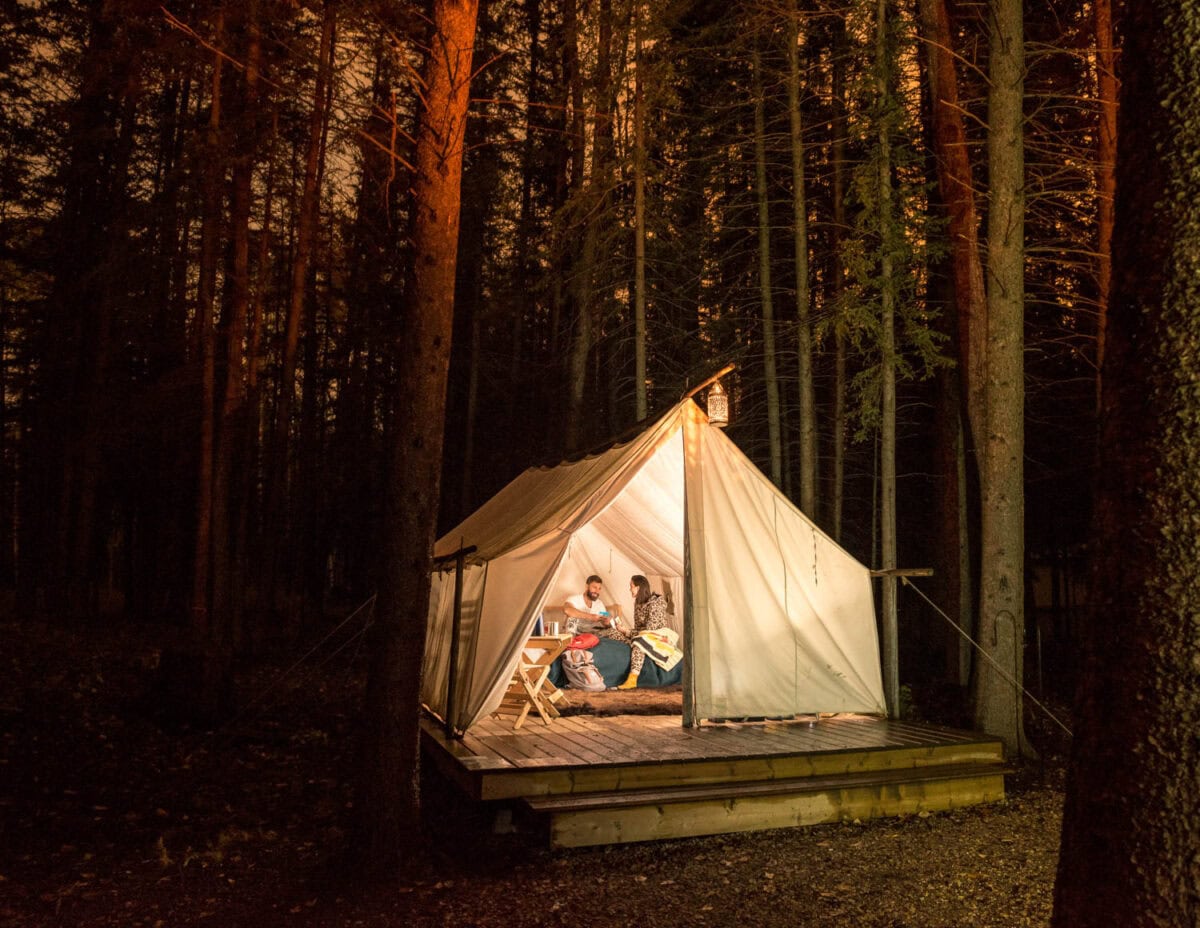
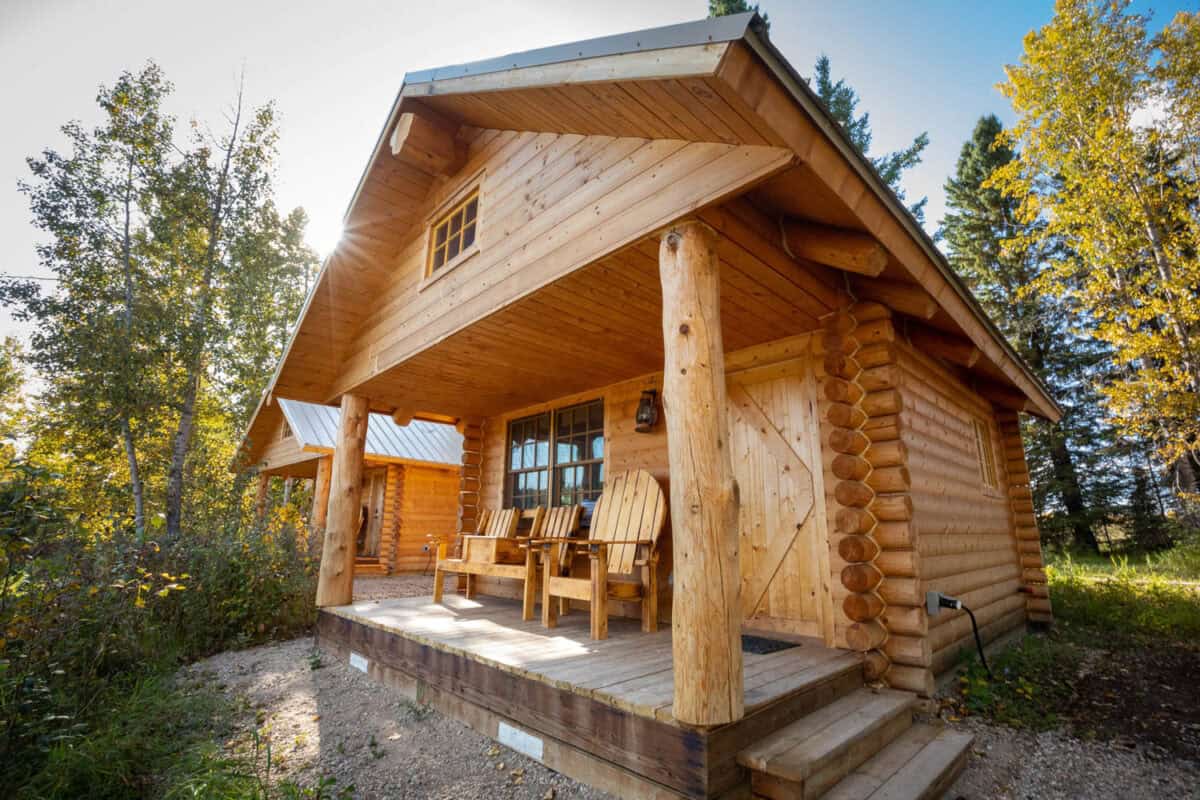
One of the unique aspects of camping here is that you can stay in one of its heritage campsites to fully immerse yourself in the fur trade lifestyle. Stay in one of the Métis trapper tents (sleeps up to five people), tipis (sleeps up to eight people), or trapline cabins (sleeps up to six people).
Front-Country camping
Front-country camping includes unserviced trailer sites for trailers and RVs up to eight metres (27 feet) as well as walk-in tenting.
Equipped Camping
The National Historic Site provides camping equipment if you don’t have your own gear. You’ll receive a camping orientation session, a 6-person tent (set up), sleeping pads, sleeping bags, a cooking stove with fuel, and a lantern.
For more information about the Rocky Mountain House National Historic Site campground, including booking, click here.

Pete is a co-founder of Road Trip Alberta. Growing up in Edmonton he has an extensive knowledge of Alberta and everything the province has to offer. He loves to eat good food, hike (especially in the winter), play tennis and curl. Apart from running Road Trip Alberta, he is a director with HMI, a digital media agency, half of the Hecktic Travels duo, and a co-creator of the popular card game Trip Chaser.